Andy Burnham has been praised for his communications strategy since becoming Prime Minister. Through his digital-first approach, combined with engagement with traditional media, he has reached millions of voters and projected an image of authenticity and relatability. His speech at this year’s Labour Party conference was praised for its exceptional emotional delivery and his authentic “everyman” stage presence.
Something that has been a part of this positive image is his relationship with football. Burnham has leaned into the Mamdani playbook by using sports to show authenticity and communicate his politics. He recently appeared on the popular YouTube series Shirt Shopping with Ellis Platten, using a backdrop of classic football kits at Classic Football Shirts in Manchester to connect personal memories with community-focused politics.
He recognises that Football is culturally significant, and it gives him a way of speaking to people outside the traditional political bubble. His identity as an Everton supporter gives him an authenticity that many politicians struggle to manufacture. His knowledge of football allows him to communicate in a language that feels less formal and more culturally familiar.
This strategy did not work for his predecessor, Keir Starmer. Starmer was a well-known Arsenal fan, but his passion for the game did not translate into political capital because, ultimately, it was unbelievable. Starmer’s attempts to use football to build a “man of the people” persona often backfired. Whilst Andy Burnham’s love of football seems more genuine, his sports-centric communications are starting to backfire. Recent comments and policy ideas have dampened his image as an authentic football fan and have drawn significant criticism.
His first misstep began last week when he signalled that he may lift the ban on drinking alcohol in the stands at football matches. This ban has been in place in the top 5 tiers of men’s football since 1985, when fears over football hooliganism and violence were at their peak. This ban applies only to football, and so in other sports such as rugby and cricket, drinking in view of the pitch is allowed. Andy Burnham believes this to be unfair and outdated.
The prime minister said: “I don’t think it’s fair for football fans to be singled out in that way.”
“I think that legislation dates to an era where football was very different, and I do believe there is a case to remove that discrimination,” he added. He also said: “There are different ways it could be done, perhaps on a trial basis. But I’m not going to back away from what’s been a long-held view of mine. I don’t see how it can be fair that some supporters of one sport can be treated differently.”
The response to this idea wasn’t what the Prime Minister would have hoped for. It is understandable why he thought this would score him political points; drinking is a massive part of UK football culture, and so having to wait until half-time to grab a pint without missing the match creates a logistical bottleneck. However, he failed to understand modern stadium demographics, where many newer fans and families value the current safety protocols. A YouGov poll found that 64 per cent of people oppose him, while more than half think it would make the match-day experience worse. Many fans cited concerns about family-friendly atmospheres being ruined, spilt beer, and constant disruptions from people leaving their seats.
The UK Football Policing Unit said it would be “incredibly rash” to change the rules without proper consultation. “Other sports simply don’t see the violence and criminal behaviour from their supporters that football does, albeit a minority, with alcohol often playing a significant part in violent and disorderly behaviour,” it said. In attempting to use football to look like a “man of the people”, Andy Burnham has scored a major political own goal by misreading the very supporters he is trying to appeal to.
Burnham’s insistence that this is a policy matchgoers want illustrates what happens when a politician’s desire to appear culturally in touch gets ahead of reality. To make matters worse for the Prime Minister, his recent comments on Manchester City’s ownership have done him no favours. Football fans and journalists have suggested that Burnham communicated his stance on the club’s guilty verdicts poorly, with many labelling his statement as wrong and unimpressive.
On Wednesday, the Premier League confirmed that Manchester City were found guilty of all charges related to breaches of Premier League financial rules between the 2009-10 and 2017-18 seasons. An independent commission ruled that the club systematically engaged in a disguised funding scheme through “sham” commercial deals between 2009 and 2018. The club has continued to deny any wrongdoing. While no official punishments have been finalised, the verdict leaves the club facing unprecedented sanctions as rival clubs push for extreme penalties. Some fans and pundits have questioned how the club’s owners can remain if they deliberately breached rules over nine years.
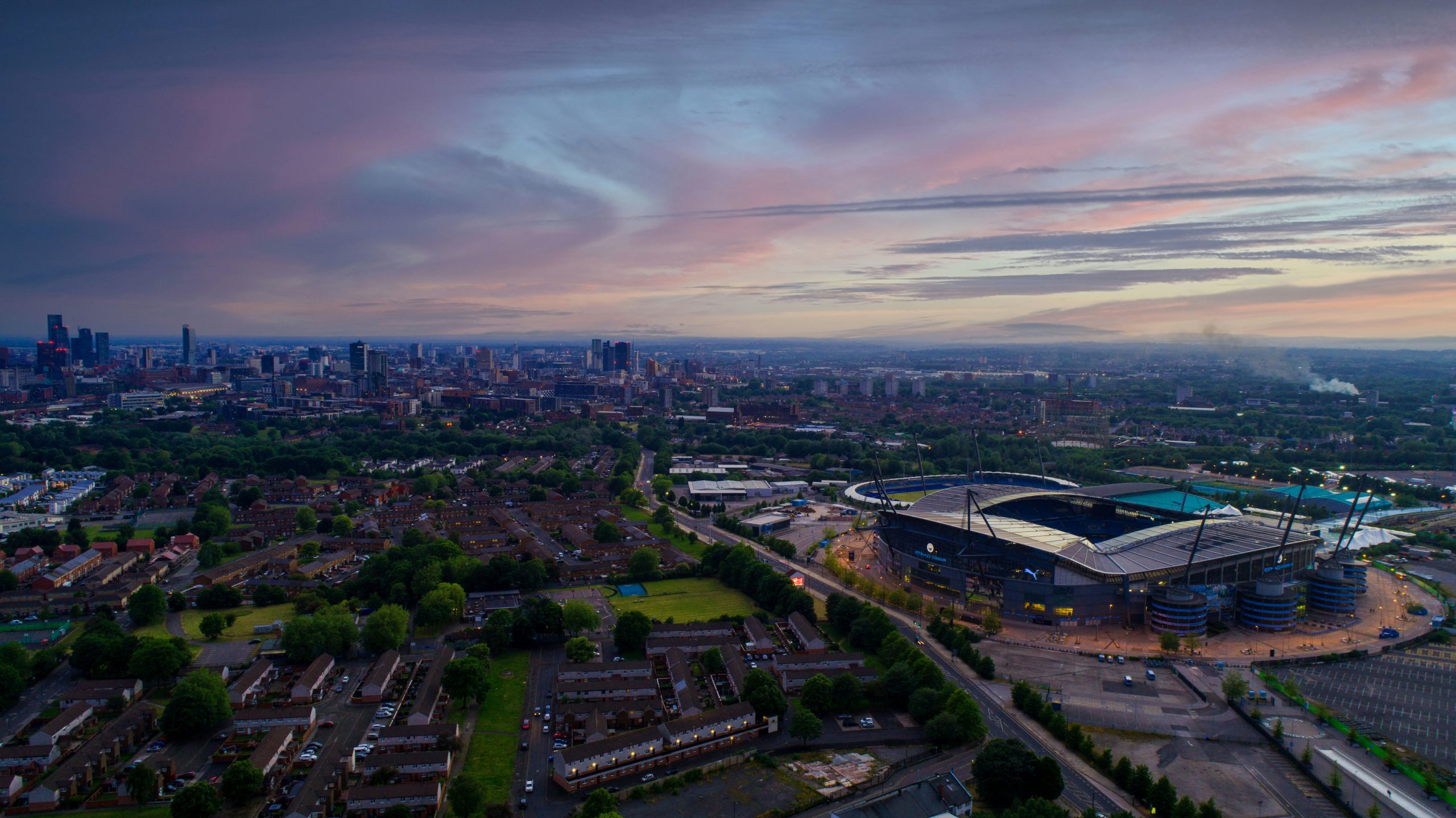
When asked about Manchester City’s owners potentially having to sell the club, Burnham said on Wednesday: “I would be really concerned to lose them”. “They’ve been such a huge partner in the building of modern Manchester and obviously the building of Manchester City into the global force that it is.” He added: “I do actually thank the City Football Group and the wider ownership for the money that they didn’t just put into the Etihad [Stadium] and the campus around it but also into the city.”
These comments have not landed well at all. There is no doubt that what he said is true. The foreign investment from the owners has brought significant benefits to Manchester. Given that he served as Mayor of Greater Manchester until June, his remarks are not surprising. However, they represent a massive communication misstep because he failed to consider how they could be negatively interpreted.
His comments have been interpreted as being sympathetic towards the City owners. He has created the impression that the economic and civic benefits associated with Manchester City’s ownership are being prioritised when scrutiny of that ownership is at its greatest. Ultimately, a sitting Prime Minister expressing concern over the departure of owners who systematically breached financial rules undermines the credibility of the sport and the rule of law. Considering millions of voters are also football fans, this communications misstep carries massive political risk.
His saying “I am not getting directly involved” also hasn’t helped. He may not think he is getting involved; however, realistically, he was getting involved by making these comments because they, whether intentional or not, put political pressure on the Premier League. Football governance is no longer operating in isolation from international politics. Football fans have argued that his statements show how sportswashing successfully influences politics: state-backed owners intentionally inject vast sums of money into local infrastructure precisely to buy political goodwill.
Thus, Andy Burnham’s strategy of using sports-centred communications to connect with voters has backfired. Instead of looking like a relatable fan, he looked like a politician in the pockets of billionaire club owners, a toxic image for millions of voters who want a leader to stand up for the average person, not the elite.