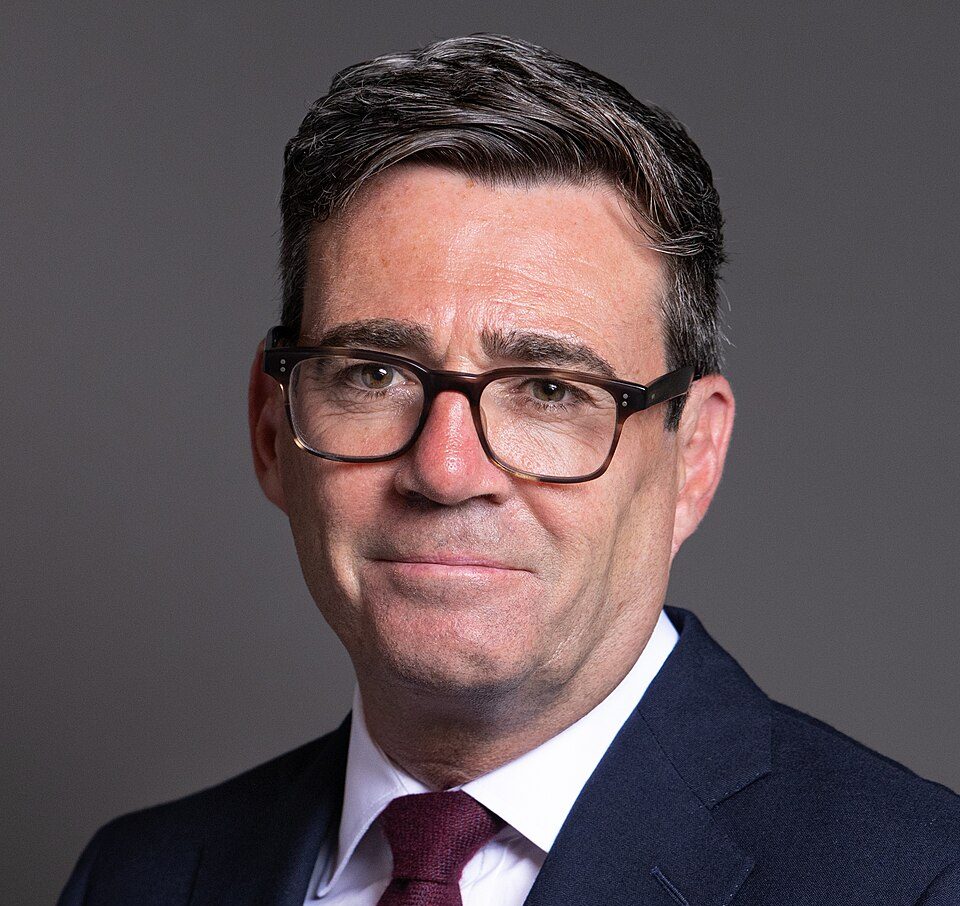
A lot of politics and news today is consumed through social media platforms. People are glued to their tablets and phones. Print and other traditional media are dying as trust in them is low. Politicians, therefore, need to have a strong online presence to communicate with voters and engage audiences. Trust in politics in general is low, and so people need to feel connected to their leaders.
Since Andy Burnham became UK Prime Minister, one thing has clearly distinguished his approach from that of his predecessor: his communications strategy. Unlike Keir Starmer, Burnham has adopted a digital-first approach to connect with voters and create an authentic, relatable image.
Instead of relying primarily on traditional media and the Westminster lobby, Burnham has made social media platforms like TikTok and Instagram central to his political communications. Burnham has bypassed traditional media filters and speaks directly to citizens. He has adopted a similar approach to New York City Mayor Zohran Mamdani, collaborating with various influencers to communicate his policies. Informal video formats and direct-to-camera messaging have helped the Prime Minister reach audiences who may never watch a political press conference or read a government press release. By doing this, he has effectively reached a wider demographic and increased public trust.
A good communications strategy will not completely solve the issue of public trust. Ultimately, the success of Burnham’s government will be down to its actions, real results for the public, and honest delivery of its promises over time. Nonetheless, a good communications strategy can help to build confidence and maintain public trust. Many have argued that Keir Starmer’s poor communication strategy is partly why he was so unpopular and consequently resigned. Keir Starmer did not completely disregard digital channels when communicating his government policies; he simply went about it the wrong way.
Politicians, particularly in British politics, use social media only to broadcast a scripted message. They regurgitate the same information, just on a different platform. They do not engage with the real people on these platforms. This leaves people feeling unable to connect with political leaders, as it creates the idea that they are detached from the everyday concerns of ordinary people.
What makes Burnham so different and so effective is that he is engaging authentically with his audience. He and his team understand that people do not want to read a caption that has gone through several rounds of editing. When people go to Instagram or TikTok, they are not going there to consume policy; they go to consume people. Burnham recognises this and has adapted his content to the native behaviours of each platform.
A good example of this is when he teamed up with Bemi Orojuogun (Bus Aunty) to announce the £2 bus fare cap. It got over 2.1 million views and nearly 79k likes because it felt natural to the platform, not forced. It was a smart way of communicating a policy that will affect people’s pockets. In the past, political leaders would’ve used TV stars and other celebrities to get a message like this out. This has shifted to online influencers, as they are seen as more authentic and trusted by voters who have abandoned traditional news media.
The perception of Burnham as a strong online communicator clearly aligns with the data. In June, ahead of the Makerfield by-election, he launched his TikTok account and has gained over 450,000 followers since. In the last month, his videos were viewed more than 34 million times, six times the views generated by Nigel Farage. The sentiment towards the Prime Minister online is increasingly positive. LBC classified more than 175,000 comments left on Burnham’s videos and found that net sentiment towards him has risen steadily over the past four weeks.
Another smart way he has used social media is by directly talking to people in a way that feels real and natural. A good example of this is when a user named Saz commented, asking him not to visit Heron House, No. 10 North, on a specific date because it was her wedding day; he replied: “Noted, Saz.” He congratulated her in a video sent during her wedding. It is rare for a Prime Minister to jump in on a viral joke like that, and for many people it is refreshing. It makes him appear relatable; a deliberate contrast with Keir Starmer’s more rigid, institutional presence.
Following his first Prime Minister’s Questions (PMQs), he launched his own version on his social media, People’s Major Questions. In this, he answers questions directly from the public, further enhancing his relationship with them. In less than 24 hours, the video garnered over 600,000 views, suggesting that this is the type of content people want to see.
Critics have argued that by relying so heavily on social media, he might be evading proper scrutiny and real debate. This is a weak argument. Just because he is prioritising digital channels does not mean he is ignoring traditional media. He has embraced traditional media by adopting an integrated approach. Alongside his activity on social media, he has undertaken selected longer-form interviews, including a sit-down BBC Panorama interview with Laura Kuenssberg, signalling that he is willing to engage with hard questions.
Nonetheless, the media is not the only form of scrutiny and accountability. The UK’s robust parliamentary system means that Andy Burnham will inevitably face intense, non-negotiable institutional scrutiny as Prime Minister. Ultimately, no communications approach, whether that be digital or traditional, can shield him from the constitutional mechanisms of Parliament.
Leave a Reply